Termite Treatment and Termite Control in Shelton, CT
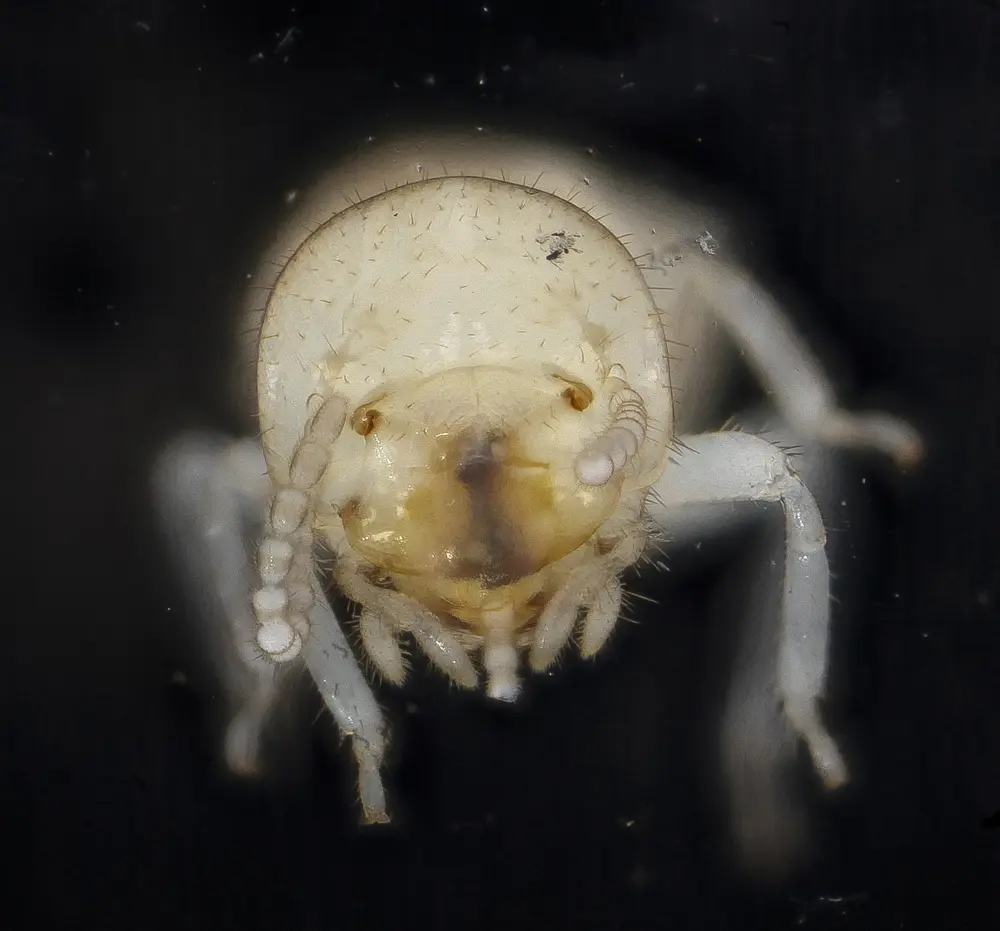
Termites in Shelton almost always means the eastern subterranean termite, the species Connecticut homeowners deal with. Colonies live in the soil, often under woods, and the workers tunnel up into wood that touches the ground or sits close to it. Unlike carpenter ants, termites can eat sound, dry wood, not only wood that's already wet.
Most people find out they have them when they swarm. Winged termites come out on warm days in spring, usually from March into June and once in a while on a mild winter afternoon. They're dark and easy to mistake for flying ants. Shelton gives them plenty to work with: wooded lots, old stumps, deep mulch, wooden porches tied into the house and basement framing close to the soil. That's true in the old wood-frame houses downtown and in brand-new subdivisions alike.
Winged bugs by the basement window in April
The Connecticut Agricultural Experiment Station points to three quick checks. Catch a few in a clear bag and look closely. If you'd like more on the swarm timing and the damage each one leaves, our guide to carpenter ants and termites goes through it.
Other signs are quieter: little piles of shed wings on a windowsill or near the basement door, pencil-width mud tubes on the foundation, wood that sounds hollow when you tap it, and paint that bubbles on trim near the floor.
- Antennae: straight and beaded on a termite, bent at an elbow on an ant
- Waist: thick all the way through on a termite, pinched on an ant
- Wings: all four the same length on a termite, front pair longer on an ant
Looking for mud tubes on fieldstone
An inspection starts at the foundation. The tech looks for mud tubes on stone, block and poured walls, inside and out. They tap and probe wood near the soil: sills, porch posts, stair stringers, deck ledgers and door frames. They check anywhere wood sits below the soil line, where mulch is heaped against the siding and where a downspout dumps water at the foundation.
Fieldstone takes patience. The gaps between stones can hide tubes, so expect a flashlight and some time down there. Finished basements are harder still, since drywall and paneling cover the sill line, so the tech looks for blistered paint, soft trim at the floor or tubes coming up through cracks in the slab. Those same sill gaps let rodents in, so ask them to note any spots where mice are getting past the sill.
To speak with someone about your home, telephone (203) 953-7616.
Liquid or bait, and what goes into the price
Once termites are confirmed, the company will usually recommend either a liquid soil treatment around the foundation or a bait system set in the ground. Which one depends on the house. Fieldstone, slab additions and finished basements each change the approach. Ask about the treatment type, follow-up visits and any warranty, and get those terms in writing, since they come from the company and not from us. The price depends on the foundation and how long it is, the treatment type, how far the activity has spread and any monitoring afterward. Repairing damaged wood is a separate job for a carpenter.
Don't tear into walls or spray the swarmers with a can of bug spray. Save a few in a sealed bag and note where they came out. Pull mulch back from the siding, move firewood away from the foundation and point the downspouts away from the house. If you're buying a house, or about to finish a basement or add a porch, that's a good time to have someone look at the sill line before the walls go up. Carpenter ants like the same damp wood, so the tech may check for ant nests in the sills too, and homes near the parkland in Trumbull see their share of spring swarms.
Questions We Get
Do we really get termites in Connecticut?
Yes. The eastern subterranean termite is the one most often found in New England homes, according to the Connecticut Agricultural Experiment Station.
Should I spray the swarmers myself?
You can vacuum them up, but that does nothing to the colony in the soil. Keep a few in a sealed bag so the tech can confirm what they are.
Can they come back after treatment?
The colony lives in the soil, so new activity is possible. Ask about follow-up inspections and what any warranty covers.
Serving Downtown Shelton, Huntington, White Hills, Derby, Ansonia, Seymour, Monroe, Trumbull, Stratford, Oxford.