Tick Spraying and Mosquito Control in Shelton, CT
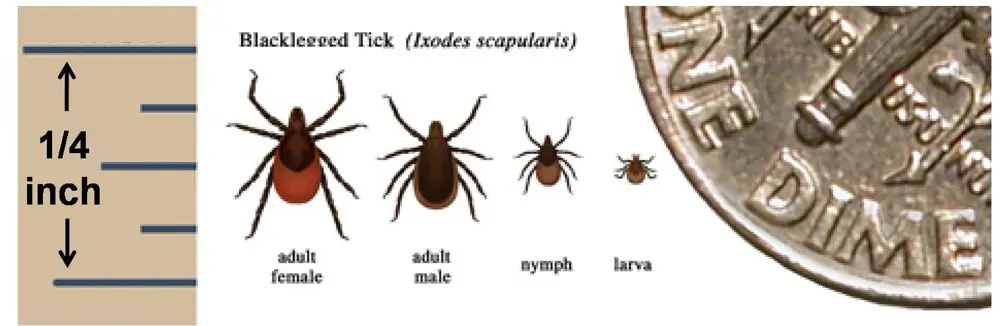
Deer in the yard are lovely to watch from the kitchen window. The ticks they leave behind are a good deal less lovely. Deer ticks, also called blacklegged ticks, are a fact of life in Fairfield County, and they carry the germs behind Lyme disease and a few other illnesses. The Connecticut Department of Public Health asks residents to wear repellent, cover up in the woods and check for ticks after time outdoors.
Shelton yards are good tick country. Wooded edges, old stone walls, leaf piles and steady deer traffic all add up. Mice and chipmunks living in those walls feed young ticks, and deer carry the adults from one yard to the next. Yards that back onto the woods in White Hills and along the Far Mill River get some of the heaviest pressure in town.
Deer at the edge of the lawn, ticks along the wall line
Ticks don't spread out evenly. They wait on low plants and leaf litter in the shade, so the middle of a mowed lawn is fairly safe and the strip along the woods is not. If you're finding ticks on the kids or the dog after yard work, or deer are bedding down at the back of the property, the edges are where the trouble is. Long stretches of stone wall, leaf piles behind the shed and tall grass by the fence all count.
Tick checks matter most from late spring into early summer, when the nymphs are out. They're about the size of a poppy seed and very easy to miss. Our homeowner guide to deer ticks goes through when and where to look.
What gets sprayed and what gets left alone
The tech usually walks the property before anything is sprayed. They're looking for the edges that matter: where lawn meets woods, the stone walls, the shady beds by the patio, the path to the swing set. They also look for water, like a clogged gutter, a tarp over the woodpile or a low spot by the downspout. Then they map out what to treat and what to skip. On a big wooded lot, most programs focus on the parts of the yard you actually use, not every last acre. Visits are usually spaced a few weeks apart from spring into fall.
Mention kids, dogs, vegetable gardens, fruit trees, a pond or beehives when you call. The tech can explain the product, where it goes and how long to stay off treated areas, and many will ask that kids and pets stay in until things dry. The price comes from them and depends mostly on how much edge and wall there is to treat and how many visits you want. Mice in the walls keep the tick cycle going, so keeping mice out of the house helps more than you'd think, and the same walls often hold yellow jacket nests by August.
- The strip where lawn meets woods, and any leaf litter in it
- Stone walls and woodpiles along the property line
- Shady shrubs and beds where mosquitoes rest during the day
- Standing water the tech will point out for you to dump or fix
To speak with someone about your home, telephone (203) 953-7616.
Mosquitoes along the Housatonic and the Shelton Lakes
Mosquitoes follow the water. The Housatonic, Lake Housatonic up by Indian Well, the Shelton Lakes ponds and the wet stretches of the Far Mill River all hold moisture through the summer. Yards near them will never be mosquito-free, and anyone who promises otherwise is guessing. A treatment of the shady spots where mosquitoes rest during the heat of the day can cut down on bites at the cookout, though.
Your part is the water close to the house. A bottle cap's worth can breed mosquitoes. Clean the gutters, flip the kiddie pool and the wheelbarrow, change the birdbath every few days, and drill drain holes in the tire swing. Rural lots in Oxford near Lake Zoar and big wooded yards in Monroe deal with both ticks and mosquitoes, and many people there fold yard visits into a year-round plan.
Questions We Get
Can I get a tick tested in Connecticut?
The Connecticut Agricultural Experiment Station tests blacklegged ticks that were attached to a person, usually sent through your local health department. Talk to your doctor about any bite that worries you.
If the yard is treated, can we skip tick checks?
No. A treatment lowers the number of ticks where it's applied. Deer still bring new ones in, so keep up the repellent and the checks.
When should treatments start?
Many Shelton homeowners start in spring, when the nymphs become active. The tech will suggest a schedule for your yard.
Serving Downtown Shelton, Huntington, White Hills, Derby, Ansonia, Seymour, Monroe, Trumbull, Stratford, Oxford.